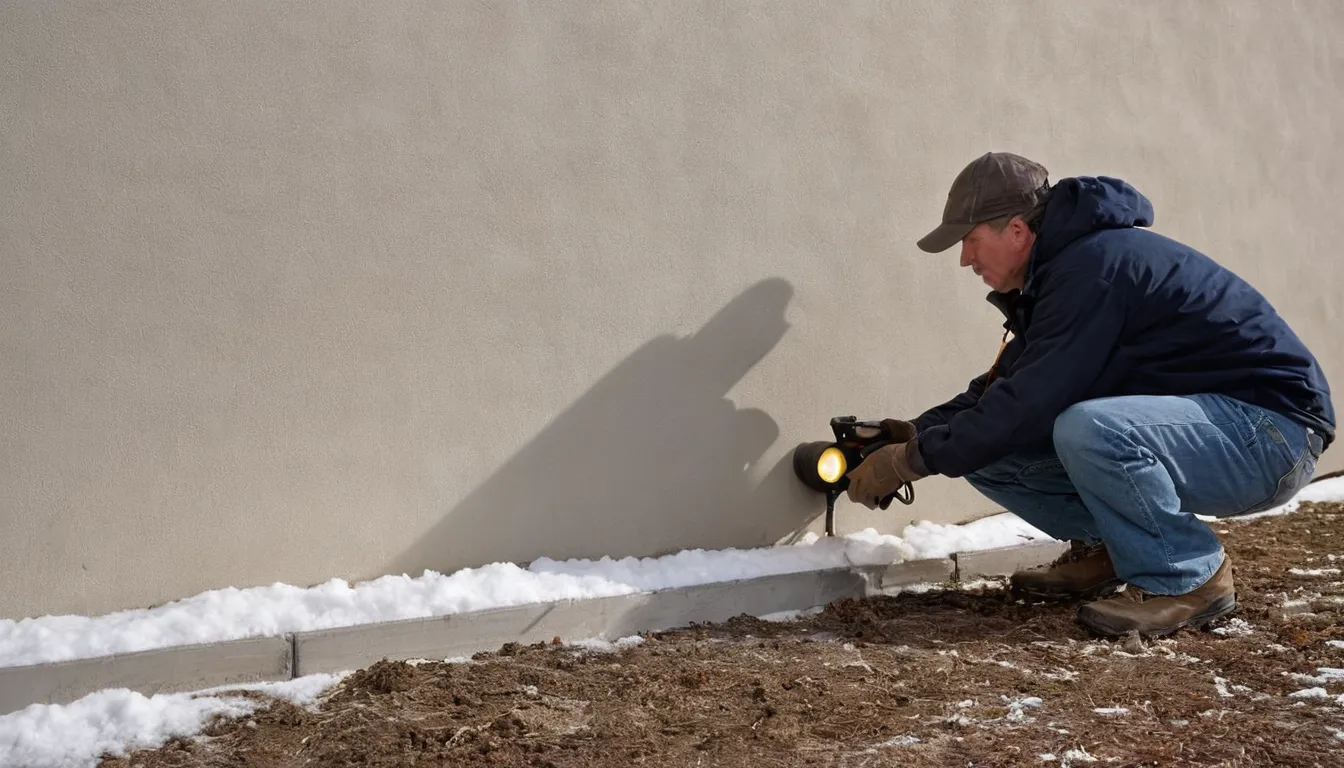
Need rodent and wildlife removal in West Jordan?
Describe the pest, the room and what you have already tried. Send a request through the form, or use Request a callback to check provider availability for your home.
No obligationAnimals get into homes more often than people expect. A mouse needs a gap the size of a dime. A squirrel can chew through soft wood, and a raccoon can peel back loose flashing. Most of the time you hear it first, then you find the mess.
Deservessorts Pest Control is a referral service. We do not trap, remove or repair anything. We explain the early signs, tell you what is safe to check on your own, and connect you with independent providers in our network. Those providers inspect your home, handle the animals, seal the entry points and give you a written quote. Homes across the West Jordan area have their own mix of attics, basements and crawl spaces, so a good inspection matters.
Scratching at dusk. Thumping over the bedroom. A faint musky smell near the vents. These are the usual first clues that something has moved in.
Grab a flashlight and take a calm look. Do not poke at nests or corner an animal. A scared animal can bite or scratch, and it can also hurt itself trying to get away.
Deservessorts Pest Control is a referral service. We do not do the work. Independent providers in our network inspect, remove animals, seal entry points and clean up. You decide whether to hire one, and the quote you receive comes from the provider, in writing.
A small problem grows fast. Mice breed quickly, and one pair can become a crowd in a few months. Chewed wires, soaked insulation and stained ceilings cost far more to fix than an early visit costs.
Catch it early. A few droppings and one entry hole are a much smaller job than a full attic of damage.
Cold snaps and heavy snow push animals toward warm attics and crawl spaces. Fast spring melt and hail can loosen flashing, vents and soffits, and those loose spots become doors. After a big storm, walk the outside of your home and look up.
Scratching or scurrying at night often points to rodents. Heavy thumping in daylight can mean squirrels. Chirping or squeaking inside a wall may mean babies are present, which changes how a provider handles the job.
Look along baseboards, in the garage and around the water heater. Check for droppings, greasy rub marks on walls, shredded paper or insulation, and gnawed corners. Photograph what you find. Photos help a provider understand the problem before the visit.
A sharp ammonia odor or a stale musty smell is worth tracing. If your dog or cat keeps staring at one wall or vent, pay attention. Pets often notice what you cannot.
Stop if you hear babies, see a bat, find an animal inside a wall, or smell something dead. Stop if the attic has a lot of droppings or wet insulation. Sealing a hole with an animal still inside can trap it, and the problem gets worse.
Check, seal, then call. In many cases the order should be check, photograph, then call.
The provider starts with an inspection. They look at the attic, the roofline, the foundation and the crawl space. They look for entry points, droppings, nests and damage, then explain what they found.
Next comes a written plan and quote. It should name the animal, the method, the repairs and the follow-up visits. Ask questions before you agree to anything.
Removing the animal is only half the job. The provider closes the entry points with durable materials, and some also offer cleanup of droppings and soiled insulation. Ask what is included in the quote.
Rules differ by state and city. Some animals cannot be relocated, and bats often have seasonal limits because of young in the roost. A reputable provider knows these rules and explains them plainly.
If a provider suggests harming a protected species or will not explain their method, move on and compare another quote.
Ask for the provider's license or registration details, proof of insurance and a written quote. Ask whether repairs and warranty terms are in writing. Be wary of anyone who offers a price without looking at the problem.
If you searched for an exterminator near me, remember that rodents and wildlife often need different methods than a standard residential pest control visit. Tell the provider exactly what you heard and saw.
Walk the outside of your home twice a year, once in fall and once after spring melt. Look for gaps near rooflines, vents, pipes, the garage door and the foundation. Replace damaged screens and caps.
Keep firewood off the wall, lids on trash cans and gutters clear. Stucco cracks and rotted wood trim are easy targets, so patch them early. For wildlife removal that stays done, the sealing step matters most.
A provider checks the roofline, vents, foundation and crawl space to find how animals are getting in.
Traps, one-way doors or other methods suited to the animal and local rules.
Gaps, vents and damaged trim are closed to help keep animals out.
Many providers offer droppings cleanup, insulation work and repeat visits to confirm the problem is gone.
Prices vary by animal, home size, how hard the entry points are to reach and how much damage there is. These are typical U.S. ranges. Always get a written quote before work starts.
| Item | Typical range | Notes |
|---|---|---|
| Inspection | $75 – $300 | Some providers include it with the work |
| Mouse or rat control program | $300 – $800 | Often includes follow-up visits |
| Squirrel or raccoon removal | $350 – $1,000 | Depends on traps and number of animals |
| Bat exclusion | $500 – $3,000 | Seasonal rules may apply |
| Sealing entry points | $200 – $1,500 | Depends on gaps and access |
| Attic cleanup and insulation | $500 – $5,000 | Varies with the amount of damage |
Use a flashlight to look for droppings, gnaw marks and gaps. Take clear photos and note the sounds you hear.
Request a callback to check provider availability, or use the request form.
An independent provider checks the attic, roofline and foundation, then explains the plan.
The provider removes the animals, closes entry points and schedules any needed return visits.
We refer you to independent providers. We do not do the work.
You get simple advice on what to check and photograph before you reach out.
Providers in our network inspect and explain their plan in writing before work starts.
Spotting small clues sooner can mean smaller repairs and a simpler fix.
Describe the pest, the room and what you have already tried. Send a request through the form, or use Request a callback to check provider availability for your home.
No obligationListen for scratching at night, and look for droppings, greasy rub marks and gnawed corners. Rats leave larger droppings than mice. Photograph what you find and share it with a provider who can confirm the animal.
It is better not to. Sealing a hole with an animal inside can trap it and cause damage or odors. Let a provider confirm the attic or wall is empty first. After that, sealing the gap is the right step to take.
Yes. Wildlife removal usually involves larger animals like squirrels, raccoons and bats. It often needs trapping or exclusion, repairs and attention to local rules. Residential pest control more often targets insects such as ants and roaches.
Describe the pest, the room and what you have already tried. Send a request through the form, or use Request a callback to check provider availability for your home.
No obligation